Entry · Ref KD66-WJ9
Eco-Friendly Roofing Solutions Gaining Traction in 2026
- Posted
- 2026-11-04
- Last amended
- 2026-11-04
- Account
- @devinnhcc718
Sunshine Coast homeowners are paying closer attention to what sits above their heads. With a subtropical climate, high UV exposure, heavy summer rainfall, and the occasional severe storm or cyclone-influenced weather system, roofs on the Sunshine Coast work harder than in many other parts of Australia. In 2026, eco-friendly roofing is no longer a niche interest. It is a practical way to lower energy bills, manage stormwater, extend roof life, and reduce a home's environmental footprint. This article explains the solutions gaining the most traction locally and how to decide which suits your property.
Why Eco-Friendly Roofing Suits the Sunshine Coast Climate
A roof is the largest surface exposed to the sun, and in a region with long, warm summers, it strongly influences indoor temperatures. A well-chosen roofing system can reduce heat gain, cut air-conditioning demand, and capture resources such as sunlight and rainwater. Coastal conditions also matter. Salt-laden air accelerates corrosion on some metals, so sustainable choices must also be durable choices. The most environmentally sound roof is often the one that lasts the longest and needs the fewest replacements.
Cool Roofs and Reflective Coatings
Light-Coloured Colorbond and Metal Roofing
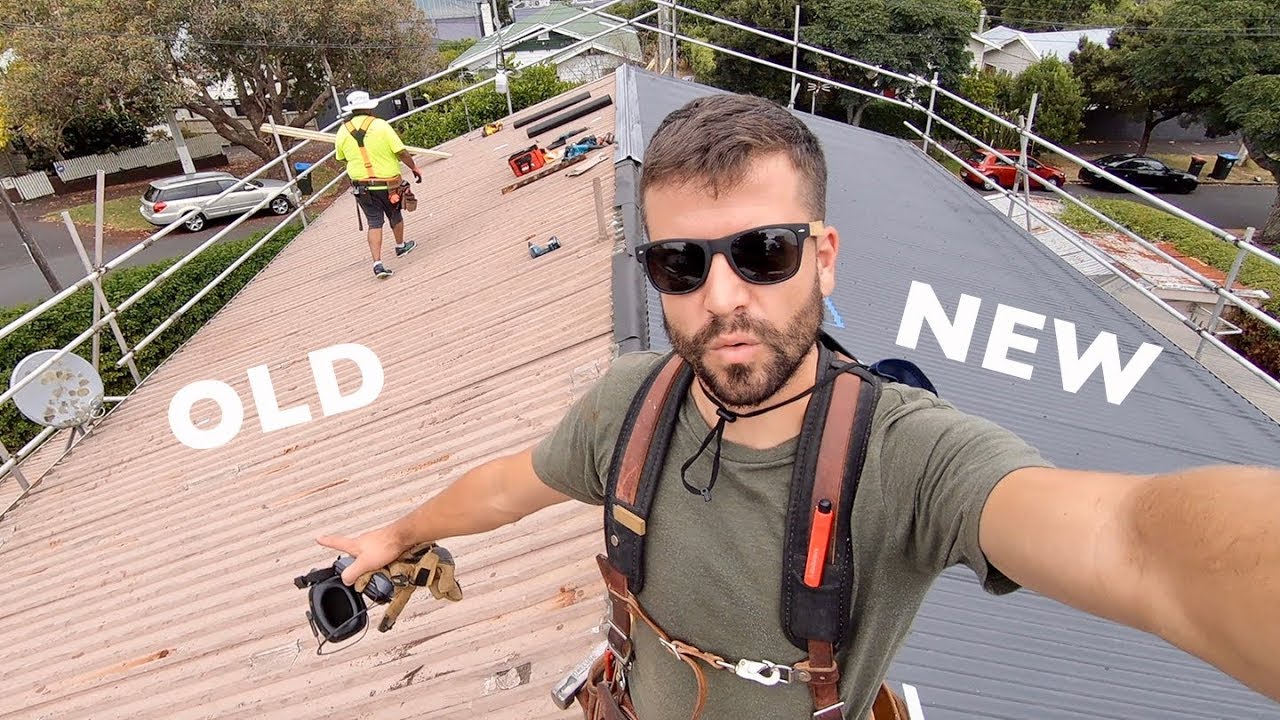
Metal roofing remains one of the most popular choices in Queensland, and it is also one of the more sustainable. Steel roofing is highly recyclable at end of life, lightweight, and long-lasting. Selecting a light colour with a low solar absorptance value helps reflect more solar radiation. Many manufacturers publish solar absorptance figures, and the Australian Government's Your Home guidance recommends lighter roof colours in warm climates to reduce heat gain. For coastal properties close to the beach, confirm the product's suitability for marine or severe marine environments and follow the manufacturer's warranty conditions.
Reflective Roof Paints and Coatings
If your existing roof is structurally sound but faded or heat-absorbing, a high-quality solar-reflective coating may be an option. These coatings can lower surface temperatures and https://cruzkpxi368.opalvector.com/posts/how-often-should-you-inspect-your-sunshine-coast-metal-roof extend the life of the underlying material when applied correctly. Proper preparation is essential, including cleaning, rust treatment, and sealing of laps and fixings. A coating applied over a deteriorating roof will not solve underlying problems, so an inspection should come first.
Solar Panels and Solar-Ready Roof Design
Rooftop solar is the most visible form of eco-friendly roofing on the Sunshine Coast, given the region's strong solar resource. In 2026, many households pair solar panels with battery storage to use more of their own generation in the evening. Government rebates and incentives for solar and batteries have changed over time, so check the current Australian Government and Queensland program details before committing to a system.
Roof condition matters before installation. Panels typically last 25 years or more, so it makes sense to address any repairs, rusted sheets, or failing fixings first. Removing and reinstalling panels later to repair a roof adds cost and hassle. Consider these factors when planning:
- Roof orientation and pitch: North-facing roof planes generally produce the most energy in Australia, though east and west arrays can suit households that use more power in the morning or afternoon.
- Shading: Trees, neighbouring buildings, and chimneys can reduce output significantly.
- Roof material: Metal and tile roofs both accommodate panels, but each requires specific mounting hardware and installation methods.
- Wind ratings: Mounting systems must be rated for the local wind region, which is especially important in storm-prone parts of Queensland.
- Switchboard and inverter capacity: Older homes may need electrical upgrades to accommodate a new system.
Rainwater Harvesting Integrated With the Roof
Rainwater tanks are a long-standing feature of Sunshine Coast homes, and they remain one of the most effective sustainable upgrades. A roof, gutters, first-flush diverters, and tank work as a single system. Collected water can be used for gardens, laundry, toilets, and, with appropriate treatment, drinking water.
Roofing material affects water quality. Colorbond and other pre-painted steel roofs are widely regarded as suitable for rainwater collection. Avoid collecting water from roofs with lead flashings, old lead-based paint, or certain treated surfaces. Keep gutters clear of leaves, install leaf guards, and maintain mesh screens to reduce contamination and mosquito breeding. Local council requirements and plumbing standards apply to tank installations, so confirm what is needed before work begins.
Green Roofs and Living Roof Systems
Green roofs, which use a waterproof membrane, drainage layer, growing medium, and plants, are gaining interest for extensions, garages, carports, and low-slope sections of new builds. Benefits include improved insulation, reduced stormwater runoff, and added habitat for pollinators and birds. They also help moderate surface temperatures, which can reduce the urban heat island effect in denser developments.
There are trade-offs. Green roofs add structural load, require a quality waterproofing system, and need ongoing maintenance, particularly irrigation in dry spells. In the Sunshine Coast climate, plant selection is critical. Hardy, drought-tolerant native species such as succulents and groundcovers generally perform best on shallow systems. A structural engineer and an experienced waterproofing specialist should be involved from the design stage.
Recycled and Low-Impact Roofing Materials
Material choice influences a roof's embodied carbon, which is the emissions generated during manufacture, transport, and installation. Options increasingly considered include:
- Steel roofing with high recycled content: Fully recyclable at end of life and long-lasting with proper coastal-grade coatings.
- Concrete and terracotta tiles: Durable and thermally massive, though heavier and requiring stronger framing. Light-coloured options help manage heat.
- Recycled-content roofing products: Some manufacturers offer membranes and shingles with recycled content, though availability varies in Australia.
- Reclaimed materials: Salvaged tiles or sheets may suit heritage-style renovations, provided they are structurally sound and compliant.
Always ask suppliers for product data, warranties, and any available environmental product declarations so you can compare options on facts rather than marketing claims.
Insulation, Sarking, and Ventilation
An eco-friendly roof is not only about the outer surface. What sits beneath it can have an equally large effect on comfort and energy use. Sarking, a reflective foil or membrane under the roof sheeting or tiles, helps reduce radiant heat transfer. Ceiling insulation with a suitable R-value reduces heat flow into the home, and roof ventilation, such as whirlybirds or ridge vents, helps remove hot, humid air from the roof cavity. In a humid climate, good ventilation also reduces the risk of moisture build-up and mould. A balanced approach to insulation and airflow typically delivers more benefit than any single product on its own.
Storm Resilience Is Part of Sustainability
Severe weather is a reality for South East Queensland. A roof that fails in a storm creates waste, repair costs, and disruption. Building codes require roofs to meet wind-resistance standards for the region, and upgrading fixings, battens, and tie-downs during a re-roof is a worthwhile investment. Durable, correctly installed roofing is inherently more sustainable because it avoids premature replacement.
How to Choose the Right Eco-Friendly Roof
- Start with an inspection. Have a qualified roofer assess your current roof for corrosion, leaks, damaged fixings, and remaining life.
- Define your priorities. Lower energy bills, water security, resale value, and environmental impact may each point to different solutions.
- Check approvals. Confirm building, plumbing, and electrical requirements with the Sunshine Coast Council and relevant licensed trades.
- Compare lifetime costs. A higher upfront price can be offset by energy savings, durability, and lower maintenance.
- Use licensed, insured professionals. Roofing work at height and electrical work for solar must be carried out by appropriately licensed trades.
- Plan the sequence. Complete roof repairs and insulation upgrades before adding solar panels or tanks.
Looking Ahead to 2027 and Beyond
Expect continued growth in solar-plus-battery roofs, more attention on embodied carbon in building materials, and tighter energy-efficiency expectations for new homes and renovations. Product innovation, including improved reflective coatings and integrated solar roofing, is likely to expand options for Sunshine Coast homeowners in 2027 and beyond. Staying informed about changing standards and incentives will help you make decisions that remain valuable over the long term.
Final Thoughts
Eco-friendly roofing on the Sunshine Coast is about matching proven solutions to local conditions. Reflective metal roofing, solar, rainwater harvesting, quality insulation, and well-designed ventilation each play a role, and green roofs suit specific applications. By starting with a thorough roof assessment and working with licensed local professionals, you can build a roof that performs well, withstands the coastal climate, and reduces your environmental impact for decades.

Sunshine Coast Roof Restoration & Repair
Unit 8/13 Newspaper Pl, Maroochydore QLD 4558
(07) 4145 4576